Why You’re Losing Leads Before Your Ads Even Hit the Market
If you’ve worked in a dealership long enough, you’ve seen this happen more than once:
A vehicle arrives… it waits in the prep bay… the team gets busy… photography gets pushed back… and before you know it, a car that should’ve been online within 24 hours is still sitting there with no listing and no buyers seeing it.
And while it sits there, you’re losing leads, before the ad even hits the market.
Most dealerships don’t think about the enquiry opportunities lost during that offline window. But slow photography and average visuals directly impact how quickly a car attracts attention, how many buyers shortlist it, and ultimately how fast it sells.
Let’s break down how this happens, why it matters, and what it’s costing your bottom line every month.
Fresh Listings Get the Highest Engagement… And You’re Missing It
Across major automotive marketplaces, buyer behaviour follows the same pattern: engagement peaks early. AutoTrader UK’s buyer research shows that new listings receive the strongest attention within the first 72 hours, and CarGurus reports that click-through rates are highest when a vehicle first appears in search results. Even locally, CarSales performance data indicates that “newly listed” filters and alerts drive a disproportionate share of early enquiries.
That early attention window is where:
Buyers are actively checking “new to market” vehicles
Marketplace algorithms surface fresh stock
Searchers are more open to enquiring
If your car isn’t online during that critical period, you’re missing the phase where interest, and leads, are naturally highest.
And because most dealers don’t measure their real-world time-to-list, the impact often goes unnoticed.
The Financial Impact of Slow Photography
Across NSX Media’s client base over the past two years, professional photos and video have reduced days-to-sale by an average of four days.
A four-day improvement may not sound dramatic at first, but apply it to a dealership selling 50–80 cars a month and the impact is significant:
Faster cash flow
Reduced floorplan exposure
Lower ageing stock risk
Higher monthly sales capacity
Slow photography delays your listing. A delayed listing delays your demand. And delayed demand delays your revenue.
Average Photography Reduces Buyer Confidence Before They Even Enquire
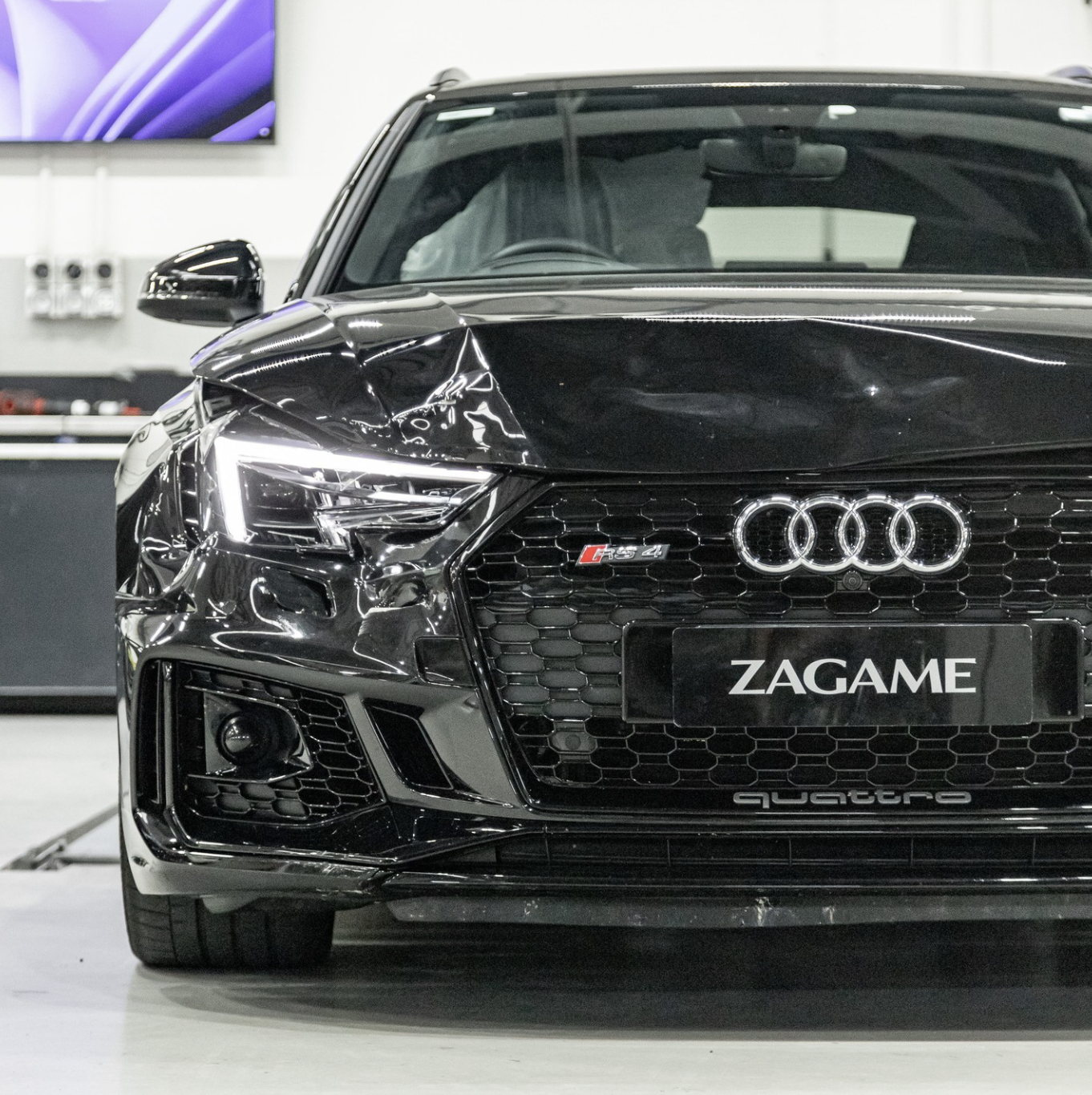
Poor or inconsistent visuals don’t just look bad, they break trust.
AutoTrader UK notes that buyers form their first impression almost entirely from imagery, and listings with low-quality photos receive substantially fewer clicks. CarGurus also highlights that shoppers skip ads that feel “low effort” or “unclear,” particularly when lighting, angles, or detail shots are missing. eBay Motors reinforces the same insight: strong, consistent visuals reduce uncertainty and increase listing engagement.
So when dealerships rely on rushed or average photography, they see:
Lower CTR
Fewer enquiries
Less time spent on listing pages
Reduced buyer confidence
This means average photography creates an enquiry problem before buyers even reach out.
The Double Hit: Lost Leads + Lost Time
If your team spends:
45–60 minutes per vehicle on photography, editing, uploading, and retakes
And the car still takes 3–5 days to get online…
You’re losing leads during the offline delay, and losing internal labour to a process that pulls salespeople away from revenue-generating work.
Across a 60-car month, this compounds into:
Dozens of missed early-stage enquiries
Hundreds of dollars in lost productivity
A slower sales cycle
More aged stock discounts
Weaker forecasting accuracy
This is one of the most expensive and overlooked operational leaks in modern dealerships.
The ROI When You Fix the Bottleneck
Once dealerships improve both media quality and turnaround, the commercial impact becomes clear:
1. Enquiries increase immediately
Higher-quality visuals consistently outperform average images, as reported by AutoTrader, CarGurus, and eBay Motors.
2. Days-on-market drops (NSX avg: 4 days faster)
Earlier exposure + stronger visuals = more demand, sooner.
3. Margin lifts (avg +3%)
Better photography improves perceived value and reduces discounting pressure.
4. Internal labour is reclaimed
NSX typically saves dealerships 20 minutes per vehicle, and at $32.50/hour (Fair Work benchmark), that adds up quickly across tens of vehicles per month.
Combined, these improvements make photography one of the highest-ROI upgrades available to dealerships, simple change, big payoff.
What This Looks Like in Reality For Dealerships
Across operations of different sizes, the pattern is remarkably consistent.
Vehicles that used to sit for days now go online within 24 hours.
Listings present better and attract more views. Enquiries increase. Stock turns faster.
Dealerships typically see improvements in:
Inventory rotation speed
Margin retention
Discount reduction
Sales forecasting accuracy
Online brand perception
Fix the bottleneck, and everything downstream improves.
3 Easy Tips to Stop Losing Leads Before Your Ad Goes Live
1. Measure your real time-to-list
Not the estimate, the actual number from arrival → online.
This exposes delays you can act on immediately.
2. Standardise your prep and photography routine
A consistent process eliminates retakes, lifts visual quality, and speeds up listing workflows.
3. Reassess whether salespeople should handle photography
If they’re shooting cars, they’re not talking to buyers.
That alone can cost more than any media investment you’ll ever make.
Ready to see your listings go live faster?
Book a free consultation and we’ll show you exactly how premium, consistent content improves enquiry rates and speeds up your dealership’s sales cycle.