The Sale You Lost Before the Enquiry Came In
It's a Wednesday afternoon. Someone searches for a 2022 Toyota RAV4 in your area. Your listing comes up. They click through, spend about twelve seconds on the photos, read half the description, and move on.
No enquiry. No saved listing. No trace of them anywhere.
You'll never know they were there. And because you'll never know, you'll never know what made them leave.
This is happening dozens of times a day across your stock. And it's costing you more than your days-on-market number will ever show.
The decision happens long before the phone call
The showroom visit used to be where buying decisions were made. Now it's where they're confirmed.
By the time a buyer picks up the phone or submits an enquiry, they've already visited multiple listings, formed a shortlist, and eliminated most of the options. Cox Automotive's 2025 Car Buyer Journey Study consistently shows that buyers complete the majority of their research online before making any contact with a dealer, and as their Deal Central research notes, long before a lead hits your CRM, buyers have already explored options, compared prices, and built expectations through digital channels.
That shortlisting process isn't deliberate or drawn out. It's fast and instinctive.
A buyer scrolling through listings isn't carefully evaluating each one, they're pattern-matching at speed, looking for reasons to stay or reasons to move on.
Your listing gets a few seconds to clear that threshold. If it doesn't, the buyer is gone, and your CRM records nothing.
What triggers a silent elimination
There are two ways a listing loses a buyer before they ever make contact.
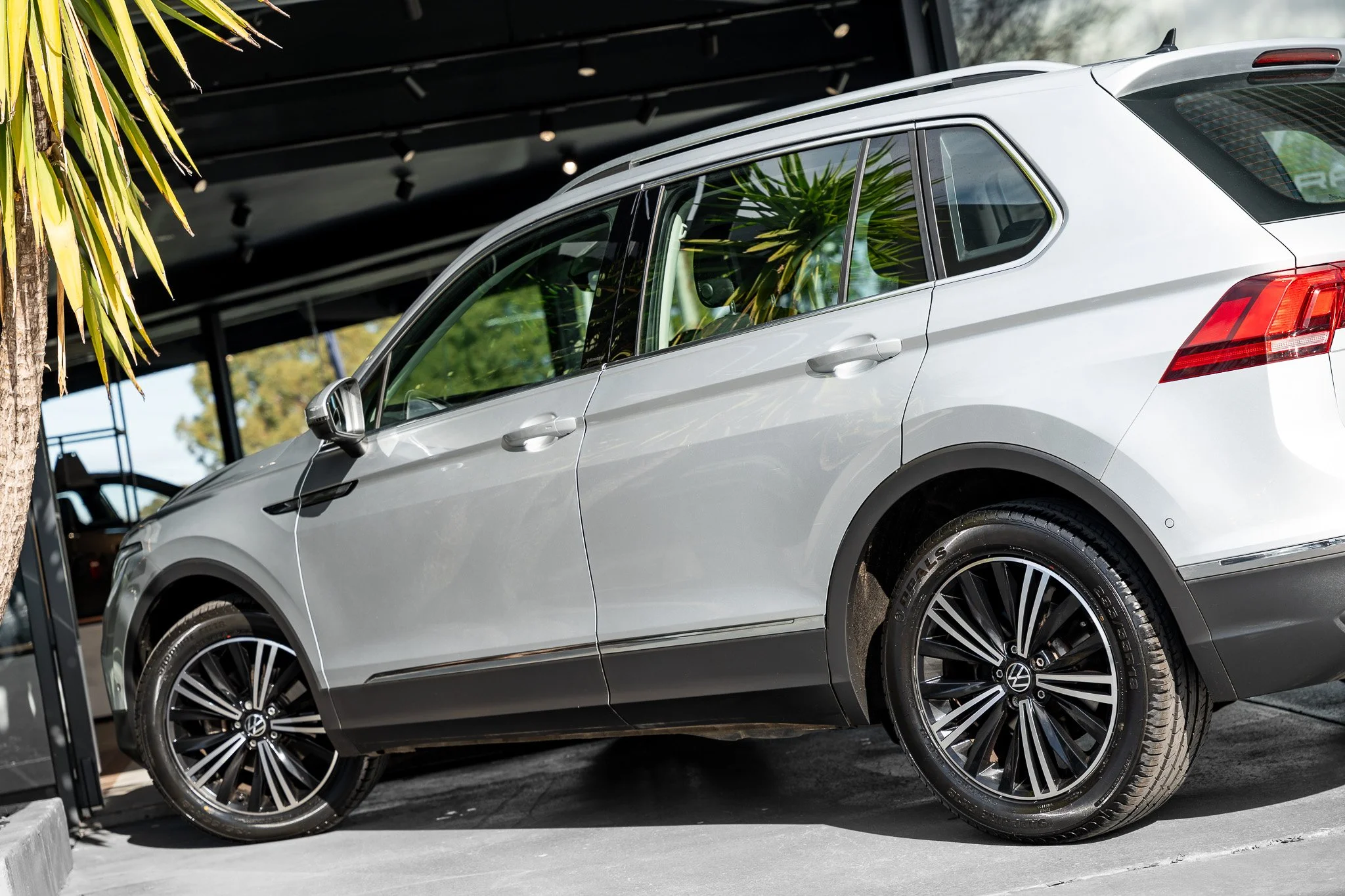
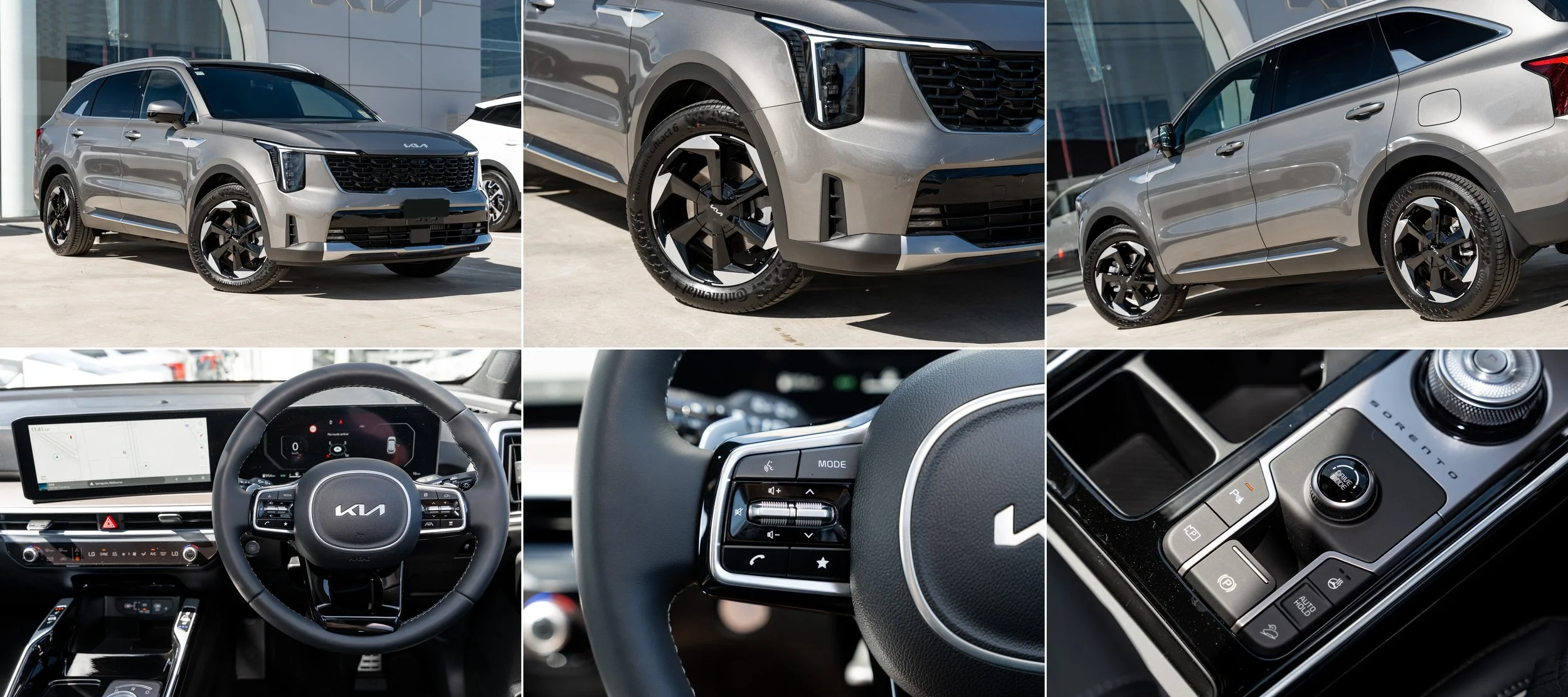
Media quality failures are the most visible. Dark or flat photos. Missing angles, no boot shot, no interior detail, no wheel close-up. Inconsistent quality across a vehicle set where some shots are sharp and others look rushed. No video where competitors are providing it.
These aren't just aesthetic issues. They're credibility signals. A buyer who sees poorly presented stock draws a conclusion about the dealership, not just the car.
Listing copy failures are subtler but equally damaging. A three-line description that restates the spec sheet. Platform fields left blank. No mention of service history, condition, or the features that separate this vehicle from the ten others like it on Carsales right now.
A buyer who can't find what they need won't ask — they'll move on to a listing that answers their questions without requiring them to make contact first.
Either failure type produces the same result: a silent exit before you ever had a chance to speak to them.
The problem is, this never shows up in your data
Here's what makes silent elimination so damaging: it doesn't appear anywhere in your reporting.
Dealers track enquiries, test drive bookings, conversion rates, and days on market. Useful numbers, but they all measure the buyers who made it through the elimination stage. The buyers who looked and left don't appear anywhere.
This creates a predictable misdiagnosis. When a vehicle sits without enquiries, the first instinct is almost always to review the price. Is it too high? Is demand softening? Too much competition on this model right now?
Sometimes that's the right question. But often, the vehicle simply didn't clear the credibility threshold buyers apply before they decide whether to enquire.
The price was never the issue. The listing failed to convert attention into interest, and nobody noticed because the failure left no record.
The dealers closing this gap aren't necessarily generating more traffic to their listings. They're converting more of the traffic they already have, because their listings clear the threshold that triggers an enquiry rather than a silent exit.
What a shortlist-worthy listing looks like
Clearing the threshold isn't about perfection. It's about not giving a buyer a reason to move on.
On the media side, that means professional imagery across every required angle — exterior, interior, detail shots, presented consistently across every vehicle. Not a production piece on every car, but every listing looking like it was taken by someone who cared about the result. Buyers notice immediately, and they make inferences about the dealership's standards from it.
Video is increasingly part of the threshold, not a differentiator. On platforms where competitors are providing walk-around video, a listing without it creates a gap in the buyer's information set. Gaps create hesitation. Hesitation creates exit.
On the copy side, the bar is specific: lead with the actual selling points of this vehicle , not a generic model description, but the things that make this particular car worth enquiring about. Recent service history, one owner, low kilometres for the year, a feature the buyer is likely searching for.
Answer the questions buyers ask before they call, finance availability, trade-in acceptance, delivery, warranty. Use the platform fields properly so the listing presents completely when a buyer opens it.
A listing written to this standard takes fifteen minutes. A listing that doesn't meet it can cost you enquiries every day the vehicle sits online.
The compounding effect across a full month of stock
Applied to one vehicle, the impact of a weak listing is hard to measure. Applied across thirty, fifty, or a hundred vehicles, it defines your enquiry volume.
Dealerships that treat every listing as a conversion asset, not just a record of what's on the lot, generate more enquiries from the same traffic. They don't need to outspend on advertising or drop prices to create urgency.
The ones that don't are competing on price for an audience they're half-convincing.
Every discount to move a slow vehicle is, at least in part, a tax on a listing that failed to do its job.
If your listings aren't converting attention into enquiries, something is failing before the sale starts
Most dealerships have no visibility into how many buyers looked at their stock and moved on. The data doesn't exist unless you're actively measuring engagement against enquiry conversion at a listing level.
What is fixable is the listing itself.
If you want to know where your listings are losing the shortlist, and what it's costing you in enquiries you're not seeing, book a call with the NSX team.